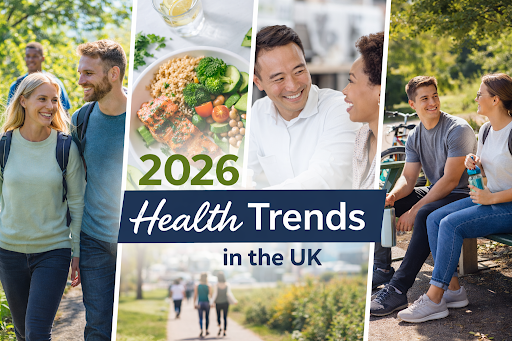
If there’s one thing 2026 has taught us, it’s this: small lifestyle changes really do add up. People across the UK are stepping away from extreme “all-or-nothing” health plans and choosing habits they can actually stick with. It’s not about reinventing your life overnight. It’s about doing one or two things better, more often.
That shift feels human. It’s realistic. And most importantly, it works.
Well-being isn’t just a buzzword anymore. It’s something people feel in their bones, how they sleep, how they move, how connected they feel to others. And while no single habit fixes everything, these small, steady changes are making everyday life a little lighter for a lot of people.
Well-being Is Measurable, and It’s Personal
In the UK, personal well-being is measured through things like life satisfaction, happiness, feeling that life is worthwhile, and anxiety levels. These aren’t abstract ideas. They’re daily emotions. They’re the difference between dragging yourself through the week and feeling like you can actually breathe.
What’s interesting is how closely well-being links to health. When people feel better physically, they often feel more in control emotionally, too. That’s why tiny health-focused habits, walking a bit more, winding down properly at night, and asking for support, can have a surprisingly big impact.
It’s not about perfection. It’s about momentum.
Change #1: Movement That Fits Real Life
For years, “getting fit” meant gyms, strict plans, and pressure. Now, movement is becoming something gentler and more flexible. People are discovering that a 10-minute walk counts. Standing up between tasks matters. Parking a little farther away is still progress.
The UK’s activity guidelines encourage adults to aim for around 150 minutes of moderate activity each week. That sounds intimidating until you break it down. That’s just over 20 minutes a day. Suddenly, it feels doable.
Morning walks before work. Stretching while the kettle boils. Weekend strolls instead of scrolling. These aren’t dramatic changes, but they’re sustainable. And sustainability is everything.
You don’t have to become a different person. You just have to move a little more than yesterday.
Change #2: Mental Well-Being in Everyday Moments
Mental health used to feel like something you addressed only when things went wrong. Now, it’s part of everyday conversation. People are learning that well-being isn’t just about “fixing” problems, it’s about building habits that protect your mind.
The NHS promotes five simple steps: connect, be active, learn, give, and take notice. None of them requires money or special tools.
A message to a friend you haven’t spoken to in months.
A quiet moment noticing the sky on your way home.
Learning a small skill, just for you.
Helping someone without expecting anything back.
These moments are tiny. But emotionally, they’re powerful. They remind people they’re not alone, not stuck, not invisible.
And honestly? That’s what a lot of us need.
Change #3: Support Over Willpower
Some habits are hard to change. Really hard. Smoking, for example, isn’t just a physical addiction; it’s emotional, social, and deeply personal.
What’s changing is the attitude around it. Instead of “just quit,” the message is now, “You don’t have to do this alone.” Free NHS stop smoking services and accessible support options are helping people try again without shame.
People are learning that needing help isn’t a weakness. It’s a strategy.
In the same way, many are exploring alternatives when they’re trying to step away from cigarettes. Specialist retailers such as VapeSales make it easier for adults to find regulated options and information, especially for those who are already in the process of changing long-standing habits.
It’s not about promoting a perfect path. It’s about meeting people where they are.
Change #4: Healthier Routines at Home
Home is where most habits live. And in 2026, more people are rethinking how their evenings, mornings, and downtime actually feel.
Instead of staying up endlessly on screens, people are experimenting with small rituals:
- Turning off notifications an hour before bed
- Having a consistent “wind-down” routine
- Letting daylight in first thing in the morning
- Taking five quiet minutes between tasks
These changes don’t cost anything. They just require intention.
Life still gets busy. Stress still shows up. But structure creates a sense of safety. When your body knows what comes next, your mind relaxes a little. That’s not luxury, it’s basic care.
Change #5: Communities Making Health Easier
Well-being isn’t only personal. It’s environmental.
People are noticing how much their surroundings shape their choices. Walkable streets encourage movement. Smoke-free spaces reduce temptation. Local groups create belonging.
When communities make healthier choices easier, individuals don’t have to fight themselves all the time. They’re supported by the space around them.
That’s why small shifts, such as clearer information, accessible support, and safer products, matter. For adults who are already moving away from cigarettes, having straightforward access to alternatives such as affordable disposable options from VapeSales’ disposable vapes collection can make the process feel less overwhelming and more achievable.
Health isn’t just what you decide. It’s what your environment allows.
A Simple “Small Changes” Checklist
You don’t need a full plan. Start with one thing.
- Pick one movement habit you can repeat daily.
- Choose one mental well-being step: connect, notice, learn, give, or move.
- If you’re changing a difficult habit, use support instead of going solo.
- Build consistency. Small + repeatable beats big + short-lived.
That’s it. No pressure. No guilt.
Why 2026 Feels Different
This year feels different because health is finally becoming humane.
People aren’t chasing perfection anymore. They’re chasing peace. They want routines that fit real lives, not ideal ones. They want support, not judgment. They want progress, not pressure.
And that’s why small lifestyle changes are working.
Because when change feels kind, people stick with it.
Leave a Reply